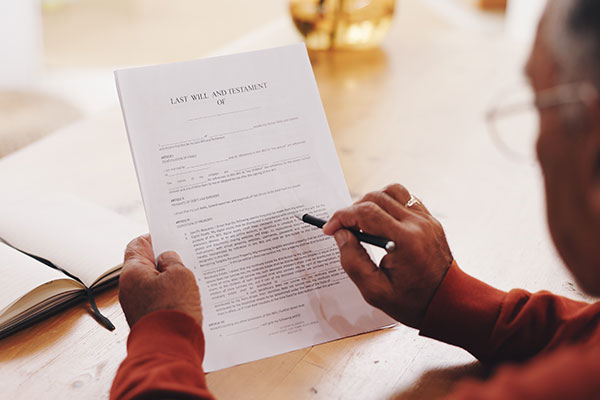
With Artificial Intelligence (AI) and online legal templates more accessible than ever, more people are opting to create their own Wills.
While a DIY Will might seem quick and cost-effective, it can carry serious legal risks.
Mistakes or oversights in a DIY Will can leave your estate vulnerable to disputes and unintended outcomes.
What are the legal risks of a DIY Will?
A Will is a legally binding document that protects your assets, records your wishes and protects the people you care about most.
In England and Wales, a Will must comply with strict formal requirements under the Wills Act 1837.
If these requirements are not met, the document may be declared invalid.
The most common mistakes include:
If your Will is invalid, your estate will be distributed under the Administration of Estates Act 1925 and the rules of intestacy.
This means the law decides who inherits what and the outcome may be very different from your intentions.
How can ambiguity and unclear drafting affect your Will?
DIY Wills often contain vague wording such as ‘to be shared equally’ or ‘to my family’, without defining what this means.
Ambiguity can lead to disputes between beneficiaries or costly court proceedings to interpret your intentions.
What could have been resolved with careful drafting may instead become a prolonged legal battle.
What happens if you fail to appoint roles in your Will?
Many DIY Wills fail to appoint executors, which can delay the administration of your estate and may require court involvement.
Not naming guardians for children under the age of 18 also gives the power to the courts to decide on who should care for your child.
Omitting trustees where trusts are required can result in further expenses and uncertainty.
Without a clear residuary clause, certain assets may fall into intestacy even if the rest of the Will is valid.
Are DIY Wills more at risk of disputes?
DIY Wills are at risk of being contested as claims can arise on grounds such as lack of capacity, undue influence or unclear drafting.
Without evidence that you received independent legal advice, it can be more difficult and expensive to defend these claims.
Don’t let your family spend years and their money resolving disputes that could have been avoided with proper legal guidance.
How can a solicitor support your Will drafting?
A DIY Will may appear cheaper initially, but the costs of resolving any errors or uncertainty can be high.
Disputes and court applications can also be time-consuming and seeking early professional advice can ensure your wishes are respected and your family is protected.
Our Wills and Probate solicitors can help draft a Will that is tailored to your assets and life and ensure it is compliant with the signing and witness requirements.
For further support on drafting or reviewing your Will, get in touch with our Wills and Probate team.